

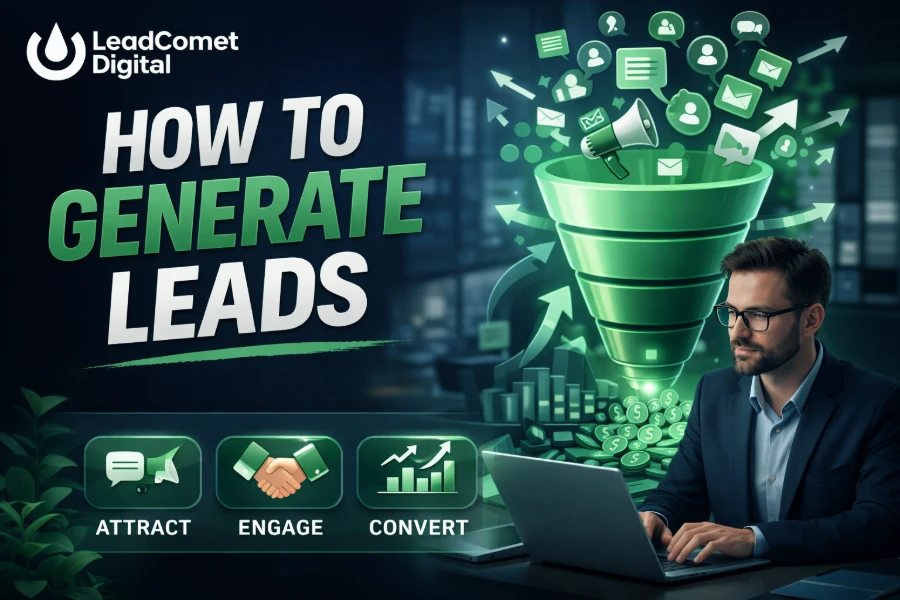
Generating leads is the backbone of any successful business, especially if you want consistent growth and predictable revenue. You are not just attracting attention, you are building relationships with people who are genuinely interested in what you offer. When done right, lead generation becomes a powerful system that works for you every day.
In this guide, you will learn how to generate leads using proven strategies that focus on quality, relevance, and long-term results. The goal is simple: attract the right audience, engage them effectively, and convert them into loyal customers.
What Lead Generation Really Means
Lead generation is the process of attracting and converting people who show interest in your product or service. You are not targeting everyone, but focusing on individuals who are more likely to become paying customers. This distinction is what separates random traffic from valuable prospects.
When you understand lead generation properly, you begin to see it as a structured journey rather than a one-time effort. You guide potential customers from awareness to interest, and eventually to decision-making. This structured approach helps you create a predictable flow of opportunities.
Businesses that treat lead generation as a system tend to outperform those that rely on luck or inconsistent tactics. You need a repeatable process that brings in leads regularly. That process becomes your growth engine over time.
Why High Quality Leads Matter More Than Volume
Not all leads are equal, and chasing numbers alone can hurt your business. You want leads who are genuinely interested, have a need, and are ready to take action. High-quality leads are easier to convert and more likely to become long-term customers.
When you focus on quality, your marketing becomes more efficient and cost-effective. You spend less time chasing unqualified prospects and more time closing meaningful deals. This improves your return on investment significantly.
Data shows that businesses prioritizing quality over quantity often see higher conversion rates and better customer retention. You build stronger relationships and create a more sustainable business model. This approach sets the foundation for consistent growth.
Understanding Your Target Audience
You cannot generate effective leads without knowing who you are targeting. Your audience determines your messaging, your content, and the channels you use. Without clarity, your efforts will feel scattered and ineffective.
Start by identifying your ideal customer profile, including their needs, challenges, and goals. You should understand what motivates them and what problems they are trying to solve. This insight helps you craft messages that resonate deeply.
The better you understand your audience, the easier it becomes to attract the right leads. You will create content that speaks directly to their pain points. That connection increases engagement and builds trust from the start.
Building A Lead Generation Strategy
A strong strategy is essential if you want consistent results. You need to define how you will attract, capture, nurture, and convert leads. Each stage plays a critical role in the overall process.
Your strategy should include both short-term and long-term tactics. Short-term methods like paid ads can generate quick results, while long-term methods like SEO and content marketing build lasting value. Combining both creates balance.
Consistency is the key to success in lead generation. You need to test, analyze, and improve your approach regularly. This ensures that your strategy evolves with your audience and market trends.
Using Content Marketing To Attract Leads
Content marketing is one of the most effective ways to generate leads. You provide value upfront, which builds trust and positions you as an authority. People are more likely to engage with brands that educate and inform.
You can create blog posts, videos, guides, and case studies that address your audience’s needs. Each piece of content should solve a specific problem or answer a question. This makes your content useful and relevant.
When your content is valuable, it naturally attracts the right audience. Over time, you build credibility and become a trusted source of information. This trust makes it easier to convert visitors into leads.
Leveraging SEO For Organic Lead Generation
Search engine optimization helps you attract leads who are actively searching for solutions. These are high-intent users who are already interested in what you offer. This makes SEO a powerful long-term strategy.
You need to optimize your content with relevant keywords, improve site structure, and ensure fast loading speeds. These factors help your content rank higher on search engines. Higher visibility means more potential leads.
SEO takes time, but the results are worth it. Once your content ranks, it can generate leads consistently without ongoing costs. This creates a steady stream of organic traffic.
Using Social Media To Generate Leads
Social media platforms allow you to connect with your audience directly. You can share valuable content, engage with followers, and build relationships over time. This interaction strengthens your brand presence.
Different platforms serve different purposes, so you should focus on where your audience is most active. Whether it is LinkedIn, Instagram, or Facebook, consistency is key. Regular posting keeps your brand visible.
Engagement is just as important as content. You should respond to comments, answer questions, and participate in conversations. This builds trust and encourages people to take the next step.
Creating High Converting Landing Pages
A landing page is where your lead generation efforts come together. It is designed to capture information in exchange for value, such as a free guide or consultation. A well-designed page can significantly increase conversions.
Your landing page should have a clear message, a strong headline, and a compelling call to action. Avoid distractions and keep the focus on one goal. Simplicity improves performance.
Trust elements like testimonials and guarantees can boost credibility. When visitors feel confident, they are more likely to share their information. This increases your lead capture rate.
Using Email Marketing To Nurture Leads
Email marketing helps you stay connected with your leads over time. Not everyone is ready to buy immediately, so nurturing is essential. You guide them through the decision-making process.
You should send valuable content, updates, and personalized messages. Each email should provide something useful rather than just promoting your product. This keeps your audience engaged.
Consistency matters in email marketing. Regular communication builds familiarity and trust. Over time, this relationship increases the likelihood of conversion.
Paid Advertising For Faster Results
If you want quick results, paid advertising is a strong option. Platforms like Google Ads and social media ads allow you to target specific audiences. This ensures your message reaches the right people.
You can test different campaigns, messages, and visuals to see what works best. Data-driven decisions help you optimize your performance. This improves your results over time.
While paid ads require investment, they can deliver immediate leads. When combined with organic strategies, they create a balanced approach. This combination maximizes your reach.
Lead Magnets That Actually Work
A lead magnet is an incentive that encourages people to share their contact information. It should offer real value and solve a specific problem. Examples include ebooks, checklists, and free tools.
The key is relevance and usefulness. Your lead magnet should align with your audience’s needs and your business goals. This ensures you attract the right prospects.
A strong lead magnet increases your conversion rate significantly. It gives people a reason to take action. This makes it an essential part of your strategy.
Measuring And Improving Lead Generation
You cannot improve what you do not measure. Tracking your performance helps you understand what is working and what needs adjustment. Data is your guide.
Key metrics include conversion rates, cost per lead, and engagement levels. These indicators show how effective your strategy is. Regular analysis helps you make informed decisions.
Continuous improvement is essential for long-term success. You should test different approaches and refine your strategy. This ensures your lead generation efforts remain effective.
Common Lead Generation Mistakes To Avoid
Many businesses struggle because they make avoidable mistakes. One common issue is targeting the wrong audience. This leads to low-quality leads and wasted resources.
Another mistake is focusing too much on selling instead of providing value. People respond better to helpful and informative content. Building trust should always come first.
Inconsistency can also hurt your results. You need to stay active and maintain your efforts over time. Lead generation is not a one-time task.
Combining Inbound And Outbound Strategies
The most effective approach combines inbound and outbound methods. Inbound strategies attract leads through content and SEO, while outbound methods involve direct outreach. Together, they create a powerful system.
Inbound builds trust and long-term visibility, while outbound delivers immediate results. This balance ensures you are not relying on a single method. Diversification reduces risk.
When you integrate both approaches, you maximize your reach and efficiency. This creates a steady flow of high-quality leads.
Conclusion
Learning how to generate leads is one of the most valuable skills you can develop for your business. You are not just attracting attention, but building meaningful connections that drive growth. When you focus on quality, consistency, and strategy, your results improve significantly.
The key is to understand your audience, provide real value, and use a combination of proven methods. From content marketing and SEO to email and paid ads, each strategy plays a role in your success. You should test, refine, and optimize continuously.
When you commit to a structured lead generation process, you create a system that works long-term. This system becomes the foundation of sustainable business growth.